Our laboratory focuses on mitochondria, the microtubule cytoskeleton, and cell polarity, and aims to dissect their pathophysiological significance.
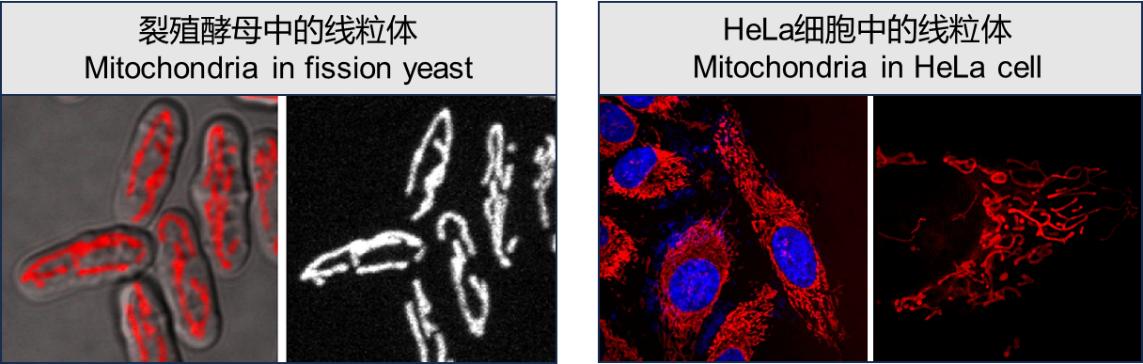
线粒体是细胞的能量工厂,生产ATP,是极为重要的细胞器。其在细胞内高度动态,面对不同的环境,通过调控自身分裂(fission)、融合(fusion)及与细胞骨架相互作用,进而呈现不同的胞内定位特征。线粒体功能缺陷与神经退行性疾病、癌症等多种重大疾病的发生发展密切相关。本课题组围绕线粒体动力学调控的分子机制开展系统研究,同时深入探究线粒体质量控制网络,包括线粒体蛋白酶与线粒体自噬在维持线粒体稳态中的协同作用。我们综合利用遗传学、生物化学、超高分辨率显微镜成像等先进技术,并结合酵母、哺乳动物细胞、类器官以及线虫等多种模式体系,旨在从分子、细胞到组织层面全面揭示线粒体稳态调控的机制及其在疾病发生中的意义。
Mitochondria are the cellular powerhouses that produce ATP and are essential organelles. They are highly dynamic, exhibiting different intracellular localization patterns by regulating fission, fusion, and interactions with the cytoskeleton in response to environmental changes. Mitochondrial dysfunction is closely linked to the pathogenesis of various major diseases, including neurodegenerative disorders and cancer. Our research group systematically investigates the molecular mechanisms underlying mitochondrial dynamics and further explores the coordinated roles of the mitochondrial quality control network, including mitochondrial proteases and mitophagy, in maintaining mitochondrial homeostasis. By integrating advanced techniques such as genetics, biochemistry, and super-resolution microscopy, and utilizing diverse model systems including yeast, mammalian cells, organoids, and C. elegans, we aim to comprehensively elucidate the regulatory mechanisms of mitochondrial homeostasis and their implications in disease pathogenesis from molecular, cellular, to tissue levels.
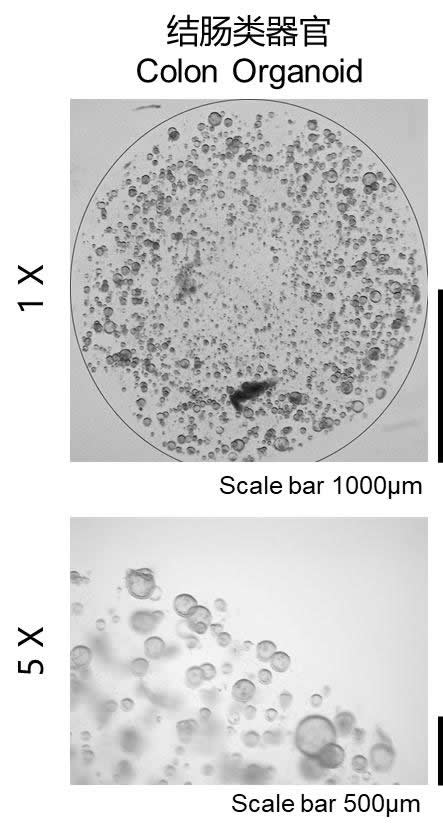
结肠类器官是源自结肠上皮干细胞的体外三维培养体系,可模拟结肠上皮的体内组织结构与生理功能,是研究结肠稳态维持、疾病发生发展及组织再生机制的重要模型。结肠类器官由极化的上皮细胞层构成,包含肠干细胞、吸收细胞、杯状细胞、内分泌细胞等多种功能细胞亚群,能形成完整的类腔结构,高度还原结肠上皮的细胞异质性与组织极性,为解析结肠生理与病理过程提供了关键体外实验平台。
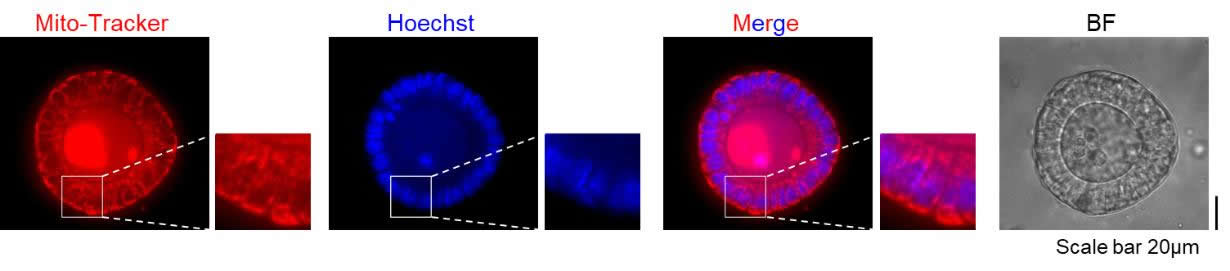
依托结肠类器官模型,我们聚焦结肠干细胞功能调控与肠道稳态维持机制,结合高分辨率活细胞成像、基因编辑、类器官培养与传代等技术,深入探究关键调控因子在结肠上皮增殖、分化、损伤修复中的作用。同时,我们重点关注线粒体稳态维持与上皮极性建立对结肠类器官整体稳态的协同调控作用:结肠上皮细胞的顶-基极性是肠道屏障功能、营养吸收与信号传导的结构基础,而线粒体作为细胞的能量代谢中心,其分裂、融合、分布及质量控制的动态平衡,支撑极性上皮的能量需求与功能维持。线粒体功能缺陷或极性紊乱,均会导致上皮屏障破坏、干细胞功能异常,进而与炎症性肠病、结直肠癌等疾病的发生发展密切相关。我们通过结肠类器官系统,解析线粒体或极性调控异常在疾病进程中的作用,为疾病的早期诊断与潜在治疗策略开发提供实验依据与理论支撑。
Colon organoids are a three-dimensional in vitro culture system derived from colonic epithelial stem cells. They recapitulate the in vivo tissue architecture and physiological functions of the colonic epithelium, serving as a key model for investigating colonic homeostasis, disease pathogenesis, and tissue regeneration. Composed of a polarized epithelial layer, colon organoids contain diverse functional cell subsets including intestinal stem cells, enterocytes, goblet cells, and enteroendocrine cells, and form intact lumen like structures that faithfully preserve the cellular heterogeneity and tissue polarity of the colonic epithelium, providing a key in vitro platform for dissecting colonic physiological and pathological processes.
Using colon organoid models, we focus on the regulatory mechanisms underlying colonic stem cell function and intestinal homeostasis. Combining high resolution live cell imaging, gene editing, and organoid culture and passaging techniques, we explore the roles of key regulatory factors in colonic epithelial proliferation, differentiation, and injury repair. In addition, we emphasize the coordinated regulation of mitochondrial homeostasis and epithelial polarity establishment in the overall stability of colon organoids. Apical basal polarity of colonic epithelial cells forms the structural basis for intestinal barrier function, nutrient absorption, and signal transduction. As the cellular hub of energy metabolism, mitochondria maintain a dynamic balance of fission, fusion, distribution, and quality control to support the energy demands and functional maintenance of polarized epithelia. Mitochondrial dysfunction or disrupted polarity leads to impaired epithelial barrier integrity and aberrant stem cell function, which are closely associated with the development and progression of diseases such as inflammatory bowel disease and colorectal cancer. Through the colon organoid system, we dissect the contributions of dysregulated mitochondrial or polarity signaling during disease progression, providing experimental evidence and theoretical support for the early diagnosis and development of potential therapeutic strategies.
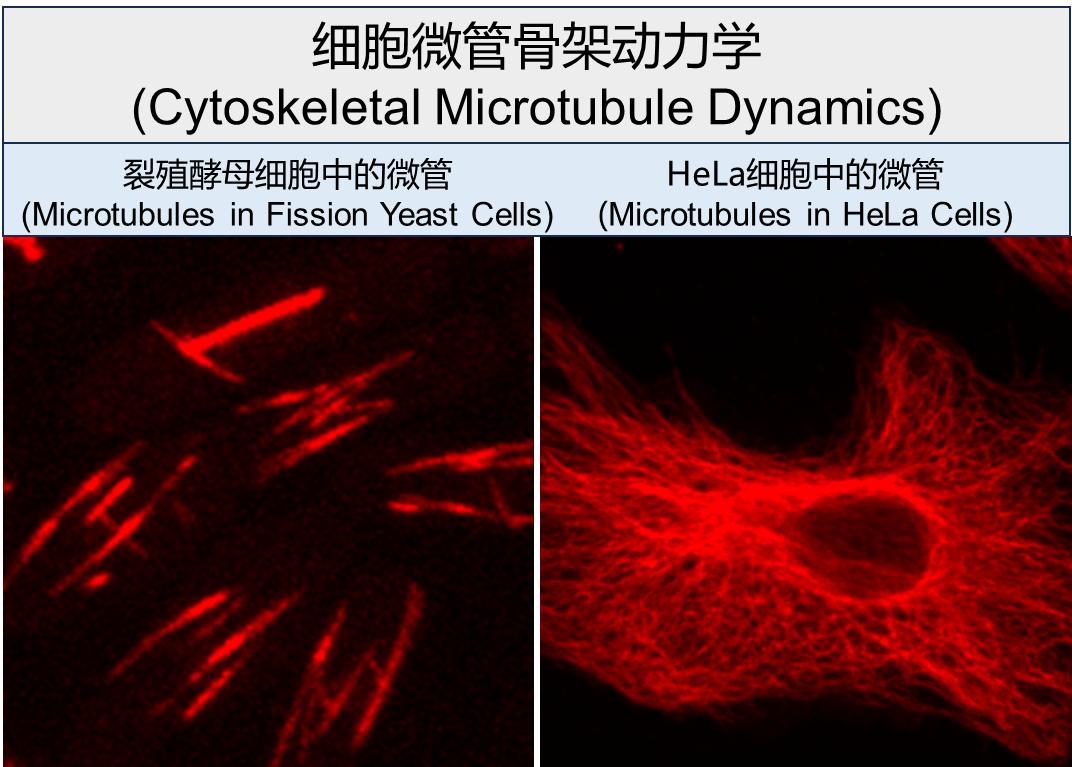
微管是由α/β-微管蛋白异二聚体组装形成的中空管状结构,具有动态不稳定性,表现为持续的生长与快速缩短两种状态交替。其动态行为在细胞内精确调控,参与多种关键细胞过程,例如细胞分裂、胞内物质运输和细胞形态维持。微管结合蛋白可调控其聚合、解聚及稳定性。该动力学过程异常与肿瘤发生及神经退行性疾病密切相关,其关联是我们研究的重要方向。
Microtubules are hollow tubular structures assembled from α/β-tubulin heterodimers and exhibit dynamic instability, characterized by alternating phases of sustained growth and rapid shortening. Their dynamic behavior is precisely regulated within the cell and is involved in a variety of critical cellular processes, such as cell division, intracellular transport, and the maintenance of cell morphology. Microtubule-associated proteins (MAPs) regulate their polymerization, depolymerization, and stability. Abnormalities in this dynamic process are closely associated with tumorigenesis and neurodegenerative diseases, which is one of the major research directions of our laboratory.
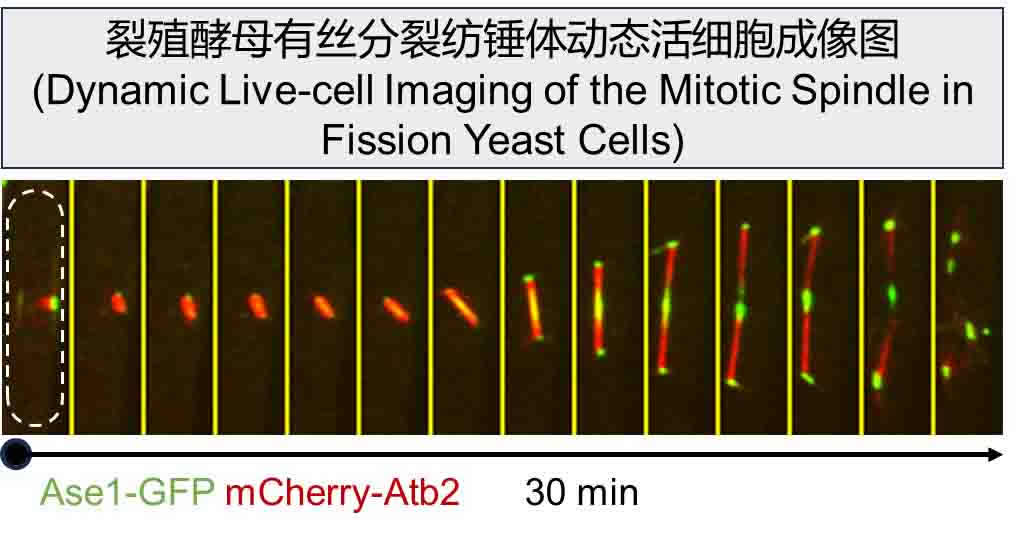
有丝分裂纺锤体是一种主要由动态微管组成的临时性亚细胞结构,是确保染色体精确分离的关键装置。在细胞分裂期,来自两极的微管形成具有双极纺锤体,其动态不稳定性对捕捉染色体、排列染色体于赤道板以及牵引姐妹染色单体向两极分离至关重要。纺锤体组装与功能的异常可导致染色体错误分离,引发非整倍体,是肿瘤发生、发育缺陷的重要原因,其动力学机制是本实验室关注的另外一个研究焦点。
The mitotic spindle is a transient cellular structure primarily composed of dynamic microtubules, serving as the critical apparatus that ensures accurate chromosome segregation. During mitosis, microtubules emanating from two poles form a bipolar spindle. The dynamic instability of these microtubules is critical for capturing chromosomes, aligning them at the metaphase plate, and ultimately segregating sister chromatids to opposite poles. Errors in spindle assembly or function can lead to chromosome missegregation, resulting in aneuploidy, which is a major cause of tumorigenesis and developmental defects. We aim to dissect the dynamics of the mitotic spindle and its significance in cancer research.
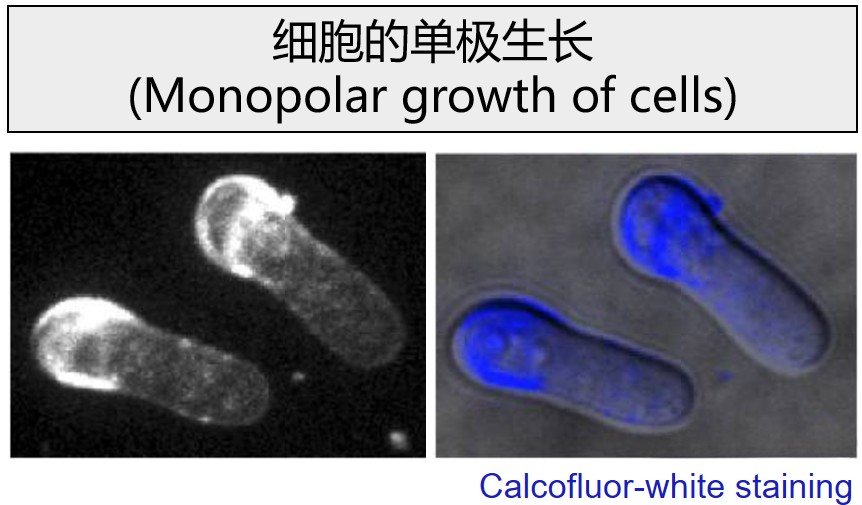
裂殖酵母是研究细胞极性的理想模型,其通过调控细胞骨架动态组装及极性因子不对称分布,实现定向生长与细胞形态维持。细胞极性在形态发生、细胞迁移、不对称细胞分裂及环境响应中至关重要,极性建立或维持的缺陷通常导致生长异常、形态畸形乃至细胞死亡。因此,我们通过综合运用活细胞成像、遗传筛选及生化分析等先进技术手段,重点解析细胞极性调控的分子机制。
Fission yeast is an ideal model for studying cell polarity. Through regulating dynamic assembly of the cytoskeleton and asymmetric distribution of polarity factors, it achieves directed growth and maintenance of cell morphology. Cell polarity is critical for morphogenesis, cell migration, asymmetric cell division, and environmental responses. Defects in polarity establishment or maintenance often lead to abnormal growth, morphological malformation, and even cell death. Therefore, by comprehensively utilizing advanced techniques such as live-cell imaging, genetic screening, and biochemical analysis, we focus on elucidating the molecular mechanisms that regulate cell polarity.

Contact Us
We are part of School of Life Sciences at USTC
 +86-0551-63600805
- chuanhai@ustc.edu.cn
- Room 537, Biology Building, School of Life Science, West Campus
University of Science and Technology of China
No.443 Huangshan Road, Shushan District, Hefei, Anhui, 230022
Copyright © 2022 Lab of Organelle and Cytoskeleton Biology All Rights Reserved
「 Website production: Provided by Weilai Technology 」